You've heard all three terms. Here's what they actually mean, how they work, and how to figure out which one is right for you.
Balayage. Highlights. Foils. If you've ever tried to book a colour service and felt like you needed a glossary, you're not alone. These terms get used interchangeably sometimes, and they really shouldn't be. They describe different techniques that produce different results, and knowing the difference can help you walk into your appointment with a much clearer idea of what you actually want.
Let's Start With Foils
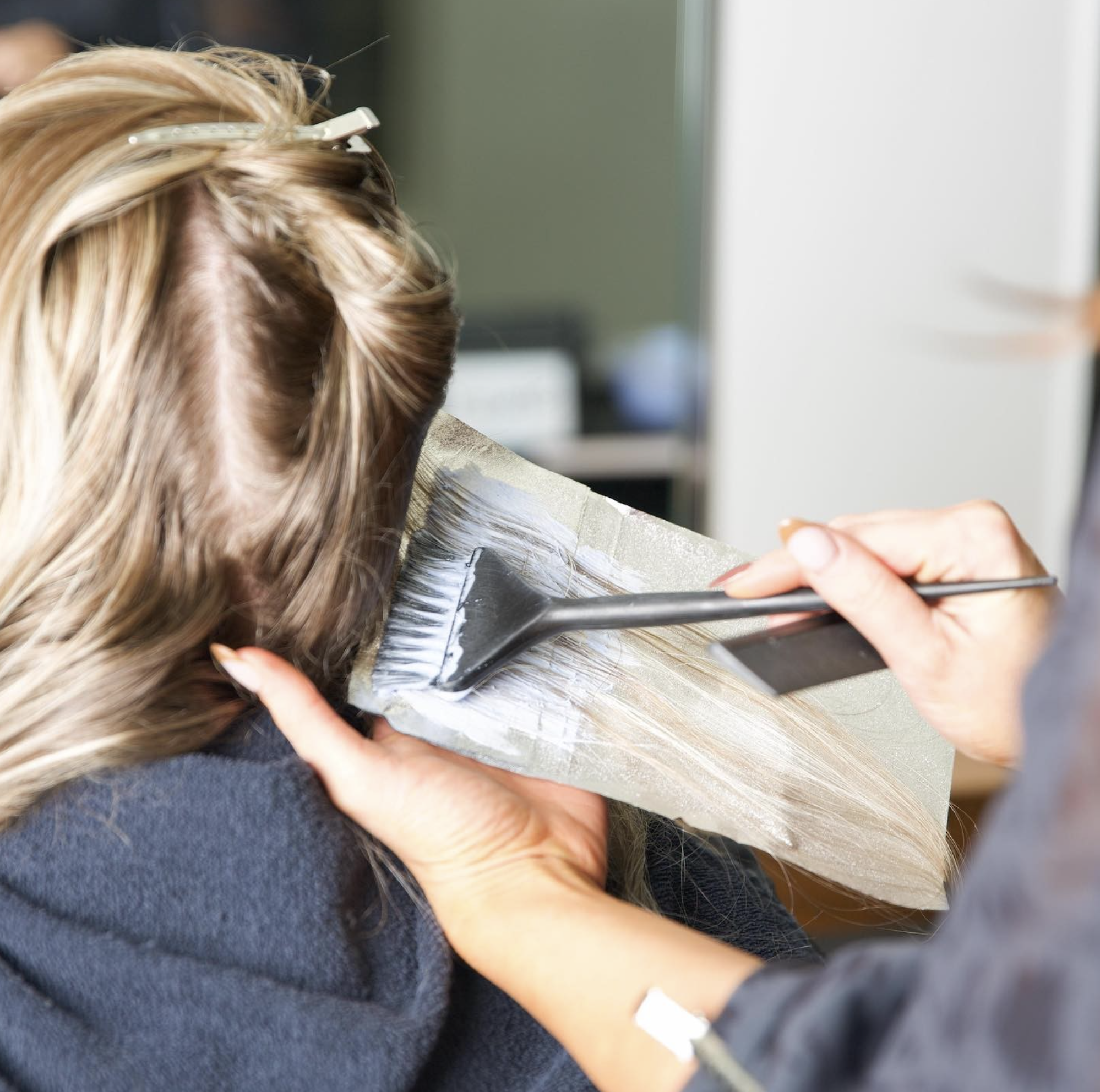
Foils often get treated like a technique unto themselves, but they're really just a tool. A piece of foil is used to separate the hair being coloured from the hair that isn't. That's it. The foil holds the colour or lightener in place, traps heat to help it process, and keeps everything contained so your stylist can work precisely.
Both balayage and highlights can be done with or without foils, depending on the result you're going for. So when someone says they want foils, what they usually mean is they want a traditional highlight application, done with precision and coverage right up to the root.
What Highlights Actually Are
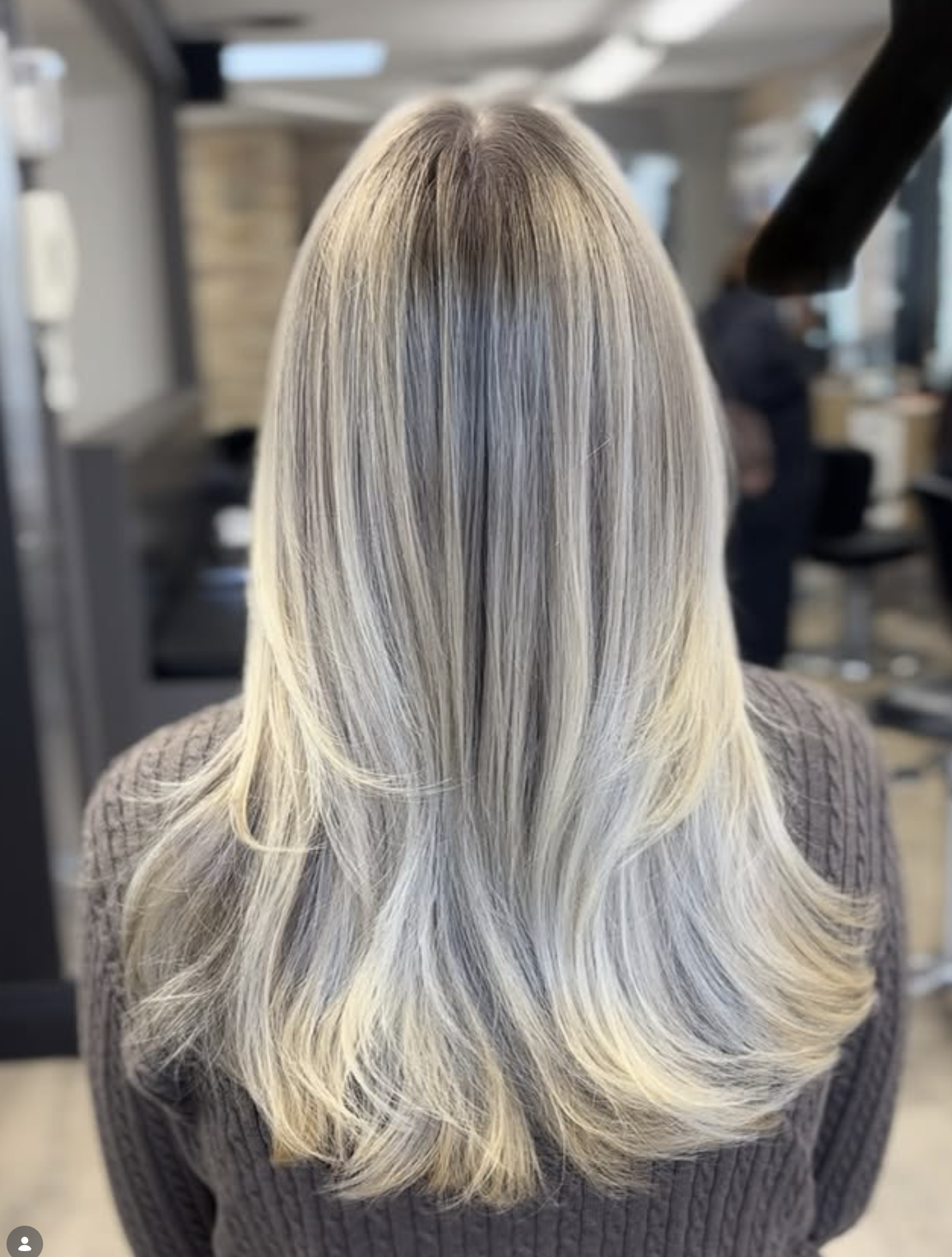
A traditional highlight means your stylist is weaving fine sections of hair and lightening them throughout your head, typically right from the root. A full head of highlights is designed to visually change the overall appearance of your hair colour, making it look brighter and lighter across the board.
Highlights can be subtle or dramatic depending on how many pieces are taken, how fine they are, and how much lighter they go versus your base colour. But the key characteristic is coverage and consistency. Highlights are placed with intention throughout the hair to create a specific, relatively uniform result.
What Balayage Actually Is
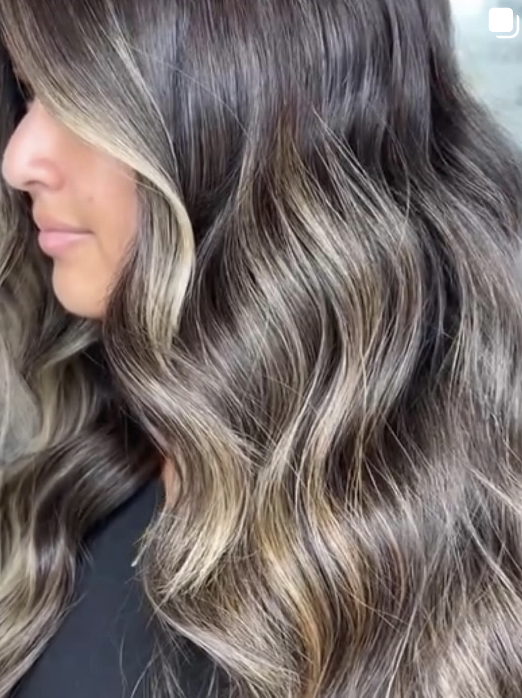
Balayage is a French technique that translates roughly to 'sweeping,' which is a decent description of how it's applied. Instead of weaving sections from the root, your stylist paints lightener freehand onto the surface of the hair, typically concentrated through the mid-lengths and ends, and softer around the face.
The goal of balayage is to replicate what the sun does naturally. Think about what hair looks like after a summer of ponytails and outdoor time. It gets lighter at the ends, softer around the face, and the root stays closer to the natural colour. That's the look balayage is designed to create.
Because the application starts lower on the hair and fades toward the root, balayage grows out gracefully. There's no hard line at the root, so you're not watching a sharp demarcation creep down as your hair grows. For a lot of people, that's the biggest selling point.
So Which One Is Right for You?
It depends on what you're after and how much maintenance you want to commit to.
If you want a significant overall change, traditional highlights give you more coverage and a more uniform lightening effect. They're great for that. Just know that with full root coverage, you'll see regrowth more clearly as your hair grows, and upkeep appointments will be more regular.
If you want something that looks natural, grows out well, and doesn't require you to be back in the chair every six to eight weeks, balayage is worth a serious conversation. The trade-off is that it's a more organic, sun-kissed result. If you want a precise, polished look with consistent colour throughout, balayage may not give you what you're imagining.
For something in between, there's a lot of room to work with. Subtle highlights, nothing more than two or three shades lighter than your base, can create brightness without the high-maintenance grow-out. A shadow root or root toner can also help soften the line between your natural colour and your highlights, giving you a more lived-in look that buys you more time between appointments.
The Best Way to Figure It Out
Bring photos to your consultation. Not because we need to copy exactly what's in the picture, but because they tell us what you're drawn to. Nine times out of ten, looking at someone's inspiration images tells us more about the result they want than the terminology they use to describe it.
If you're not sure which direction makes sense for your hair and your lifestyle, that's exactly what a consultation is for. Book one and we'll talk it through properly.
See you in the chair.
— Lisa