Thinking About Growing Out Your Natural Grey? Let's Talk About It
Going grey on purpose is one of the biggest hair decisions people bring to my chair, and it's one of the most personal. So let's talk about it honestly: why so many people are doing it, what the process actually looks like, and how we get you there without hating the in-between.
Why grey is having a moment
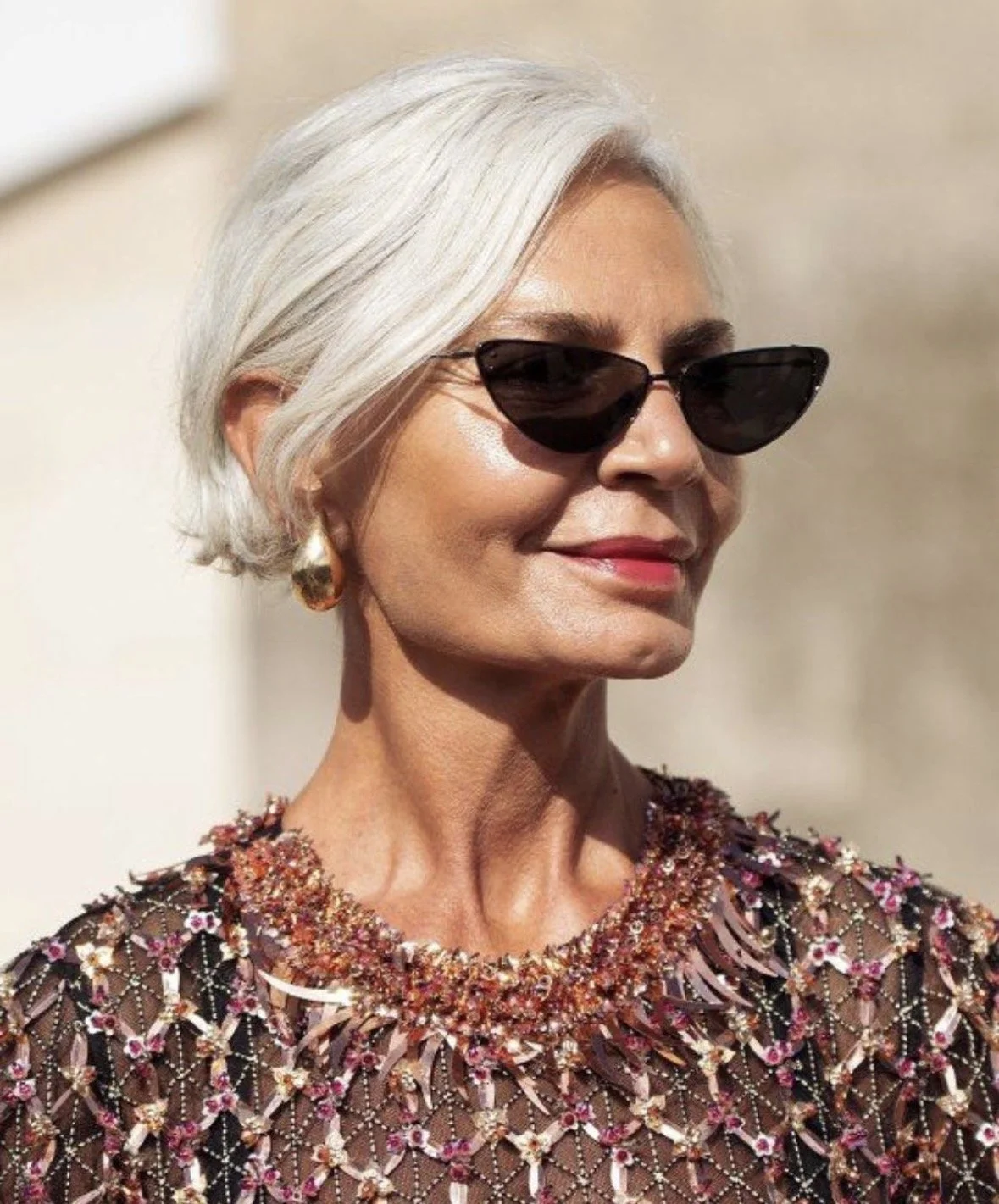
The pandemic really accelerated this. When salons closed, a lot of people saw their natural grey grow in for the first time, looked in the mirror, and thought, actually, I kind of love this. Surveys from that time found nearly half of women noticed new greys during lockdown, and many decided to embrace it rather than cover it. Since then it's become a full movement. Beauty standards have broadened, people are leaning into authenticity, and honestly, less maintenance and fewer chemicals can be really appealing. Silver is genuinely in style now, not a sign of giving up.
The honest part: it takes patience
Here's the truth I always share up front. Growing out your grey takes time, because we're largely waiting for your hair to grow. Most transitions land somewhere between six and eighteen months, depending on your length, how much grey you have, and the route we take. Your hair grows about half an inch a month, so if you want to grow it all out, that's roughly the timeline. It helps to know that going in, so the awkward stage doesn't catch you off guard.
Ways we can get you there
The best approach is almost always gradual grey blending, so you're not living with a harsh line where your colour meets your natural grey. A few of the routes:
Grow it out as-is. The simplest and least expensive option: stop colouring and let it grow. To see and match your true grey pattern, we usually want at least an inch of regrowth to work with.
Blend with highlights and lowlights. We can add lighter (even silver or platinum) pieces to mimic your incoming grey, plus softer lowlights to break up the line. This is my favourite way to make a grow-out look intentional instead of accidental.
Gently lighten the old colour over a few visits. Slowly lifting your previously coloured hair so it moves closer to your natural grey, letting the two blend instead of clash. This is more of a colour-correction process, so it often takes more than one appointment.
Go a little shorter. Every cut removes more of the old coloured length, which gets you to all-natural faster. If you've been toying with a shorter style anyway, a transition is the perfect excuse.
Keeping your grey looking its best
Once it's growing in, a couple of things keep it crisp instead of dull:
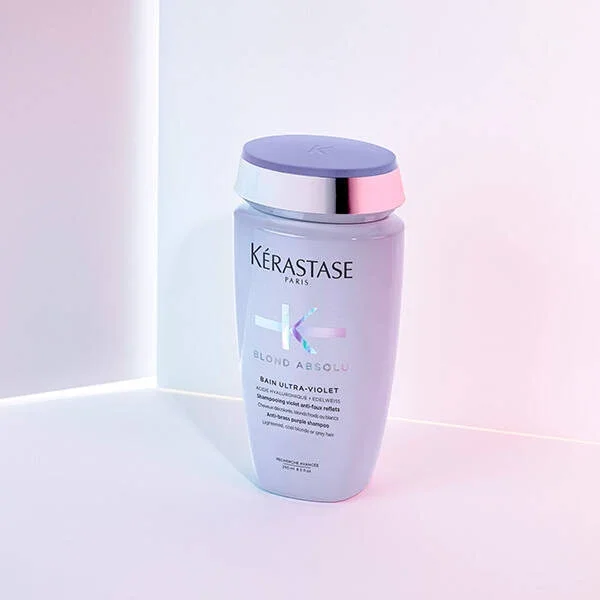
Toning and glossing. Natural grey and silver pick up yellow or brassy tones from sun, heat, and hard water, because grey hair has little pigment left to protect it. A gloss or toner in the salon, plus a purple shampoo at home, neutralizes that yellow (purple sits opposite yellow on the colour wheel, so it cancels it out). Leave it on a few minutes, and don't overdo it.
Extra moisture. Grey hair is often coarser and drier than your pigmented hair used to be, so a good conditioning routine and the occasional treatment go a long way to keeping it soft and shiny.
The bottom line
The right path really depends on your hair, your patience, and how fast you want to get there, and there's no wrong answer. The best thing you can do is come in and talk it through with me before you make any big moves, so we can build a plan that fits your life. Whether you want to ease in over a year or take a bolder shortcut, I'll help you get there feeling like yourself.
See you in the chair. — Lisa, Between Us.